


 Minimum quantity is: 5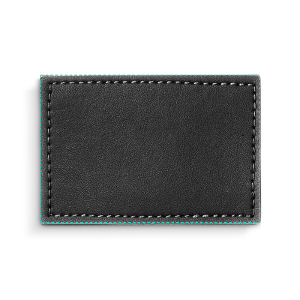



Best seller

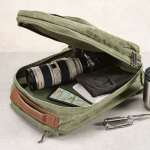
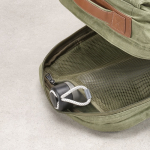
Recycled multi-compartment travel backpack made from polyester
From £32.95

Delivery
 94 happy customers
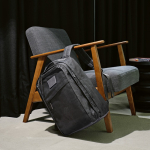
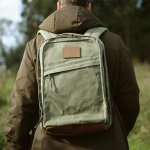
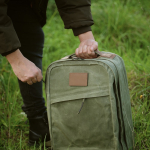
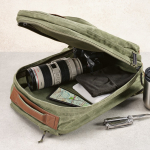

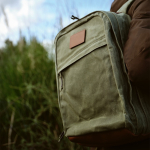
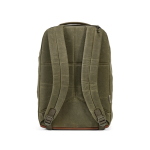
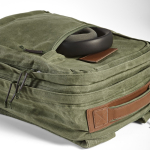
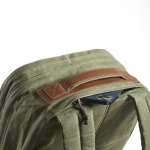
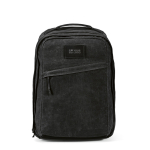
REF. 45572
|in stock
2 happy customers| Colour | Stock | Next arrivals |
|---|


On the pocket
Digital transfer in full colour

5
25%
10
25%
25
25%
50
25%
100
25%
Other
The shipping times are shown for the selected quantity and printing technique above.
Today
Standard
Express
The dates provided are approximate and may vary depending on the payment date (for non-printed orders) or from the approval of the virtual sample plus payment (for printed orders).
Free
Total
--
Unit price:
--
Total (20% VAT):
--
For this product, please request a virtual sample – we'll quickly send you a quote with the best price!
Product code
45572
Starting from
5 Units
Size
31 x 44 x 20 cm
Weight
1260 gr
Material
Recycled Polyester
Capacity
27 L
Country of manufacture
China
Intrastat code
4202 92 91
Number of pages
96
Type of pages
Lined pages
In our collection since
March 2024
Shipping country
Portugal
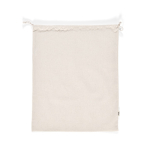
Individual packaging type
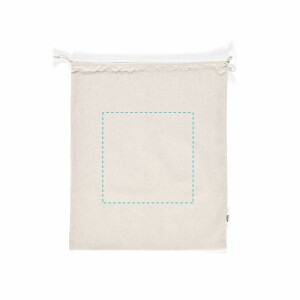
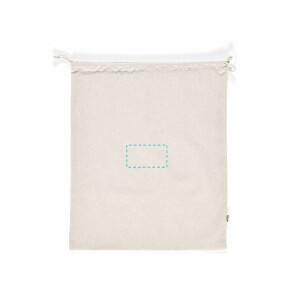
Supplied in cotton bag
Outer box measurements
36 x 54 x 52 cm
Outer box volume
0.1 m³
Outer box weight
14 kg
Quantity per box
6 Units
Available printing areas
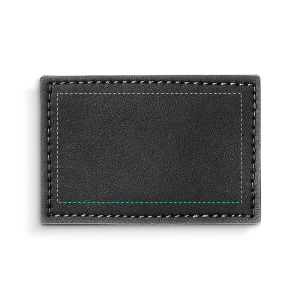
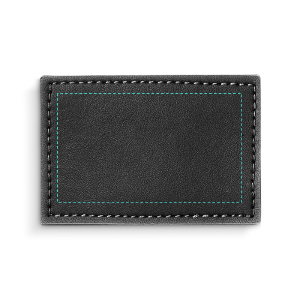
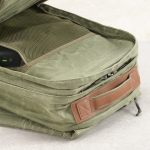
Position: patch
Size: 35 x 60 mm
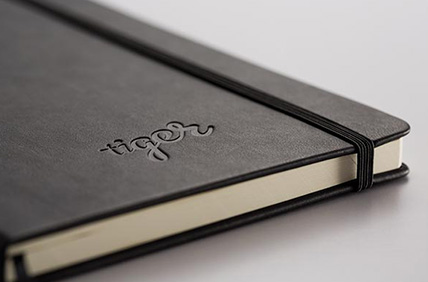
Laser engraving: engraved logo
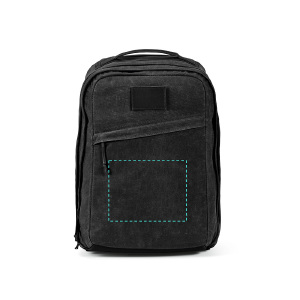
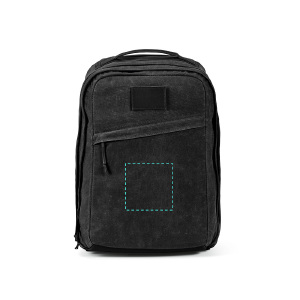
Position: pocket
Size: 150 x 200 mm
Laser engraving: engraved logo

Laser engraving for an elegant and permanent finish
Laser engraving creates a precise and permanent mark on the product surface using a laser. Without the need for inks, it achieves a clean, indelible finish on materials such as metal, wood, plastic, or leather, making it widely used for keychains, trophies, and personalized pens.


/100
This index is a transparency tool that enables you to understand and compare the impact of our products. We assess key criteria clearly and objectively, including materials, origin, packaging and certifications, to help you make more informed and responsible purchasing decisions.
Discover how we calculate our Sustainability Index.Excellent experience from start to finish. I initially contacted the Spanish team, who put me in touch with their UK colleagues the very same day. (...)

We were working with Caitlin, an the service, delivery and final products were excellent.
Thanks for the great products will order more soon.
Good quality merch. Great communication throughout and on time delivery. We will be coming back for more merch soon!
Great experience with Gift Campaign, i only ordered them on Thursday 26th February and they have already arrived on Monday 2nd March :)
Quick, easy service and any edits were made quickly so we could see the final product before ordering.
Excellent communication, great products, printed well and delievered quickly. Thank You!
Great quality and good response speed. Had a very smooth experience.
From £32.95
Delivery
94 happy customers


From £2.79
Delivery
179 happy customers


From £37.18
Delivery
8 happy customers


