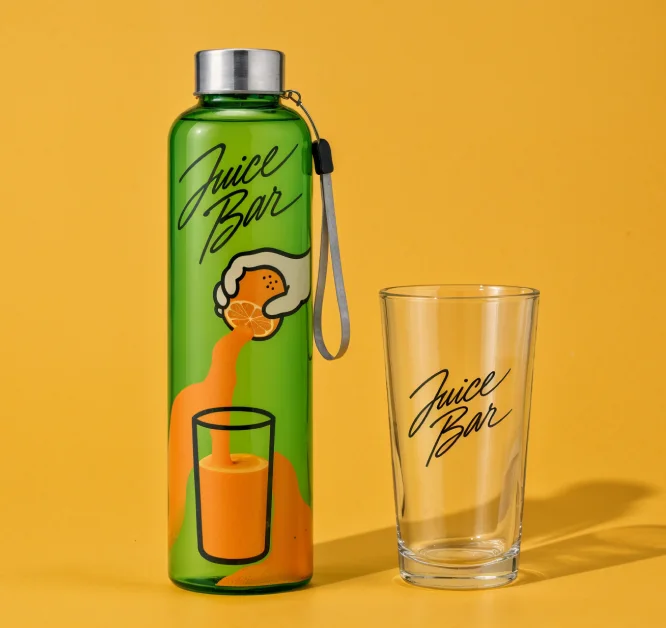
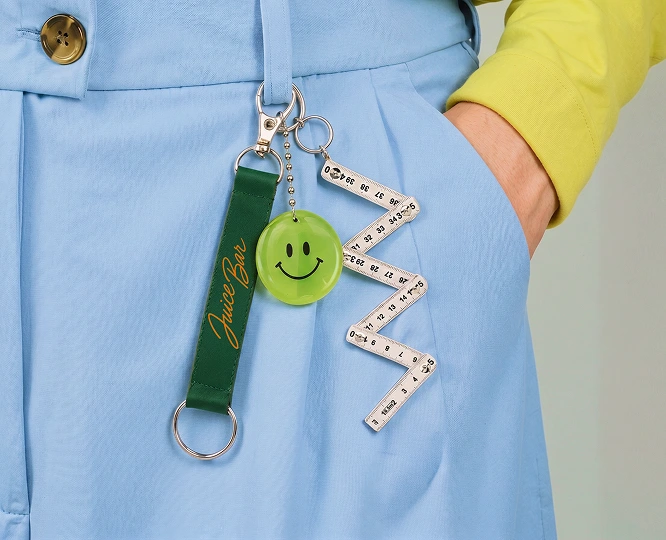
What's the Difference Between Promotional Gifts, Corporate Gifts, and Branded Merchandise?
If you've ever searched for "business gifts" online and ended up more confused than when you started, you're not alone. These three terms get used interchangeably across the industry all the time — but they're not quite the same thing, and understanding the difference can save you real money and get you far better results.
Promotional gifts are products branded with your logo or message, given away to generate new interest in your business. Think trade show giveaways, event freebies, or items handed out during a product launch. Their primary job is to get your brand in front of as many people as possible. At Gift Campaign, we've found that the most effective promotional gifts are everyday items people actually use — a quality branded pen, for instance, gets seen an average of 3,000 times over its lifetime. That's a cost-per-impression most paid advertising channels simply can't match.
Corporate gifts are a different thing entirely. These are more considered, often higher-value items given to a specific person — a valued client, a key employee, or an important business partner. They're not about mass awareness; they're about making someone feel genuinely appreciated. At Gift Campaign, we see corporate gifting spike around three key moments: end of financial year, Christmas, and just after a major contract is signed. A well-chosen gift at the right moment can cement a relationship worth thousands in lifetime value. The investment in a thoughtful corporate gift almost always pays for itself.
Branded merchandise — or simply "branded merch" — sits somewhere between the two. It's branded product, often promotional clothing, accessories, or lifestyle items, used to build identity. This might be internal company culture, a loyal customer community, or simply a consistent brand presence across every touchpoint. This is the category that's grown fastest in recent years. At Gift Campaign, we've seen a huge rise in companies ordering branded merchandise for their own teams — onboarding kits, remote worker care packages, and company merch that employees are genuinely proud to wear. When your staff wear your brand, they become your most authentic marketing channel.
So which one does your business actually need? A new prospect might receive a promotional item at a trade show. Three months later, when they become a client, a branded corporate gift seals the relationship. And throughout the year, your team and loyal customers fly the flag through branded merchandise. Most businesses benefit from all three — just at different stages of the customer journey.
At Gift Campaign, we've helped hundreds of UK and European businesses navigate exactly this decision, from startups ordering their first 50 marketing gifts to multinational companies running gifting campaigns across multiple countries. Browse our full range of promotional gifts, corporate gifts, and branded merchandise — or get in touch with our team for a free consultation tailored to your budget and goals.
How Do I Choose Corporate Gifts That Employees Actually Want to Keep?
Let's be honest — we've all received a branded freebie that went straight in the bin. A flimsy pen that stopped working after a week, a tote bag that fell apart at the seams, or a stress ball that served no purpose whatsoever. As a business, that's not just a waste of money. It's a missed opportunity to make someone feel genuinely valued.
The single biggest mistake companies make with corporate gifts for employees is choosing based on price alone. At Gift Campaign, we've seen it countless times — a business spends thousands on a bulk order of low-quality items, and within days they're forgotten. Meanwhile, a slightly higher investment in something thoughtful and useful creates a moment that employees actually talk about.
The key word is usefulness. The gifts that get kept are the ones that slot naturally into someone's daily life. A high-quality insulated water bottle, a clean and well-made notebook, a premium desk accessory, or a cosy branded hoodie — these are items people reach for every single day. Every time they do, your brand is there. That's not just a gift, that's a long-term brand impression that paid advertising simply cannot replicate.
Personalisation makes a surprisingly big difference too. Even something as simple as adding an employee's name alongside your company logo transforms a generic branded product into something that feels intentional and considered. At Gift Campaign, we've found that personalised corporate gifts for employees generate far more positive feedback than standard logo-only items — and they're significantly less likely to be left in a drawer or thrown away.
It's also worth thinking about the moment, not just the product. Gifting as part of an onboarding welcome kit, a work anniversary, or a Christmas reward lands very differently to a random giveaway with no context. The occasion gives the gift meaning, and meaning is what makes people keep things.
Finally, don't underestimate quality. Employees notice. A well-made, thoughtfully presented gift tells your team that you invested time and care into choosing it. A cheap, poorly finished product sends the opposite message — and in a world where employee retention and workplace culture matter more than ever, that's a risk not worth taking.
At Gift Campaign, we specialise in helping UK businesses choose corporate gifts that employees are genuinely proud to own. Whether you're building an onboarding kit, planning a Christmas gifting campaign, or simply looking to reward your team in a way that sticks, our product experts can help you find the right fit for your brand and your budget. Browse our full range of corporate gifts for employees or get in touch for a free personalised recommendation.
Can corporate branded gifts be used as a tax-deductible business expense in the UK?
In many cases, yes — corporate gifts can qualify as a tax-deductible business expense in the UK, though the rules are specific. HMRC allows a deduction for gifts to customers up to £50 per person per year, as long as the gift carries a clear advertisement for your business, such as your logo or brand name, and is not food, drink, tobacco, or a voucher exchangeable for those items. Gifts to employees may also be tax-exempt under the trivial benefits allowance, currently capped at £50 per gift. We always recommend confirming the details with your accountant, but the good news is that the vast majority of branded promotional products ordered through Gift Campaign qualify comfortably within these guidelines.
What Is the Average Amount UK Businesses Spend Per Employee on Corporate Gifts Each Year?
According to industry research, the UK corporate gifting market is worth around £78 million, with the average value for corporate gifts sitting at approximately £50 per person — a figure that is no coincidence, as it aligns neatly with the HMRC trivial benefits threshold, which allows companies to give gifts up to £50 per employee per year without incurring tax liability. However, the businesses that see the greatest results from gifting tend to spend more thoughtfully rather than simply staying under the tax limit. Companies typically allocate between 1–3% of their annual revenue to corporate gifting overall, with higher spend reserved for milestone moments like work anniversaries, onboarding, or end-of-year rewards. At Gift Campaign, we generally advise clients to think less about hitting a specific number and more about the quality and relevance of what they're giving — because a well-chosen £35 branded product that someone uses every day will consistently outperform a forgettable £60 gift that ends up in a drawer. Browse our range of corporate gifts for every budget, or speak to our team for a free recommendation tailored to your headcount and goals.
What Is the Minimum Budget a Small Business Needs to Run a gift and promotional items Campaign in the UK?
A focused campaign featuring cheap marketing items such as branded pens, cotton bags, or keyrings can realistically be launched for as little as £150 to £300 — enough to make a genuine impression at a local event, trade show, or client mailing. Low minimum order promotional products allow businesses to test different designs and styles without the risk of over-ordering, making branded products accessible to UK businesses of any size, not just those with large marketing budgets. The key is resisting the temptation to spread a tight budget too thinly across low-quality items — focus instead on brand products that offer high visibility at low cost and have wide appeal, because a well-chosen branded product at £2 to £3 per unit will always outperform a cheaper alternative that gets discarded within days. At Gift Campaign, our range covers every budget level, from entry-level company branded products right through to upmarket corporate gifts for key clients.
Which branded gifts consistently deliver strong ROI across different
industries and campaign types.
Across the UK market, practical and well-designed branded gifts deliver the highest return on
investment because they stay in use for long periods and keep the brand in view. Studies from
the BPMA show that:
- 40% of consumers say practical, everyday-use items create the
most positive brand impression.
- 46% prefer merch they can use at home or during leisure time.
- 63% have remembered or re-engaged with a brand because of
company gifts.
- Drinkware, bags, stationery and apparel generate thousands of
impressions at some of the lowest CPI rates in marketing (ASI Ad Impressions Study, 2024).
In sectors like tech, finance, education and non-profits, ROI is driven by how frequently the item fits into the recipient’s daily routine. Items such as drinkware, notebooks, tote bags and apparel repeatedly show high effectiveness because they combine utility, visibility and affordability — making them a smart long-term marketing investment.
How business gifts perform across key sectors — from tech and finance to
education, non-profits and events.
Different industries use branded gifts for different reasons — but the performance patterns are
consistent across the UK.
- Tech companies favour wearable and desk-based items that
reinforce a modern brand identity.
- Finance firms lean towards durable gifts such as premium
metal pens or branded drinkware that convey reliability and trust.
- Education and non-profits prefer tote bags, stationery, and
reusable items due to budget efficiency and sustainability messaging.
- Events and festivals see major success with items linked to
convenience: lanyards, water bottles, and tech accessories.
Data shows 32% of consumers find branded merchandise most useful at home, while 29% find it most relevant at events, making these two areas prime touchpoints for engagement and brand recall.
Which printing techniques work best for different materials such as
cotton, metal, plastic, and glass.
Choosing the right printing method ensures longevity, clarity, and a professional finish. Common
UK-industry best practices include:
- Cotton (e.g., tote bags, T-shirts): Screen printing for bold
colours; DTG for detailed, multi-colour artwork.
- Metal (e.g., bottles, pens): Laser engraving for durability
and a premium look.
- Plastic (e.g., budget drinkware, keyrings): Pad printing for
clean, single or multi-colour logos.
- Glass (e.g., jars, drinkware): Etching or ceramic transfer
printing for dishwasher-safe branding.
High-quality printing directly affects brand perception — with >31% of consumers saying quality and durability are the most
important factors in making branded gifts memorable.





 Trustpilot



 471 happy customers