
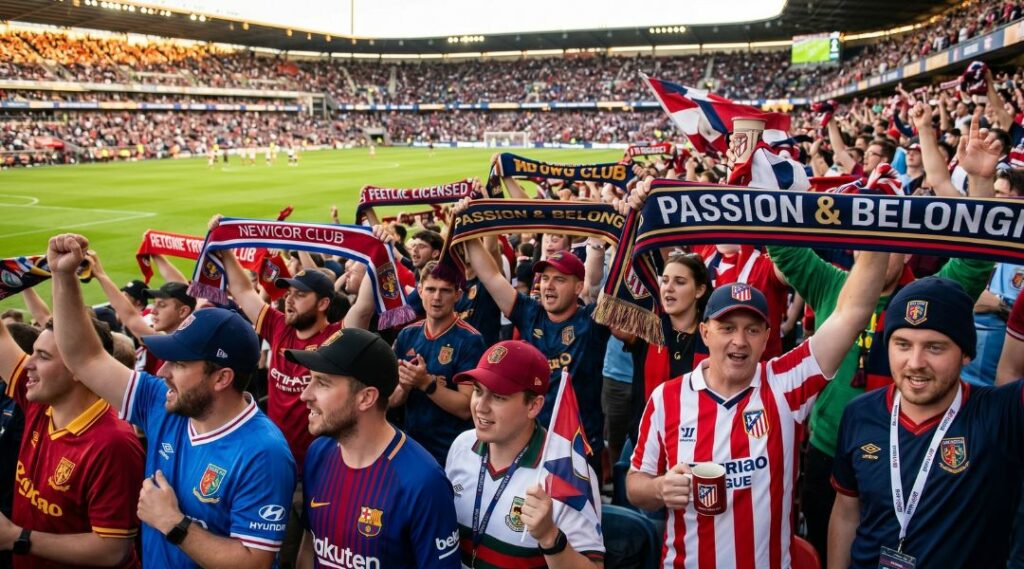
A shirt bearing your team’s crest, a scarf waving proudly from the stands, a cap you wear all year round. At first glance, these may seem like simple items of clothing: fabric, a logo, and little else. Yet behind each one lies something far greater. Sports merchandise ceased to be merely sportswear long ago and has become one of the most significant cultural and economic phenomena of our time.
In this article, we explain why a garment displaying a club crest is worth far more than its price tag, how much revenue this market generates worldwide, and how an event such as the 2026 FIFA World Cup turns it into a huge opportunity – including for businesses.
From Sportswear to Identity: What Is Sports Merchandise?
When discussing sports merchandise, it is important to recognise that the term covers all products that feature the brand, colours or emblem of a team, league, event, company or athlete. This means that scarves, caps, flags, keyrings and mugs, although not used during training sessions, are also part of the broad range of products that make up the sports merchandise sector.
The key difference is that these items are not purchased solely for their practical use; they are also bought for what they represent. No one really needs a scarf in the middle of June, yet millions of supporters wear one all the same because it is the most direct way of showing allegiance to a club or expressing support for a team. This is the invisible line between a practical garment and a cultural symbol: sports merchandise sells a sense of belonging.
A Market Worth Tens of Billions
Calling it a global phenomenon is not an exaggeration but a reality demonstrated by the figures themselves. The market for officially licensed sports products is valued at around US$38 billion in 2025, according to Grand View Research, with forecasts placing it above US$59 billion by the beginning of the next decade.
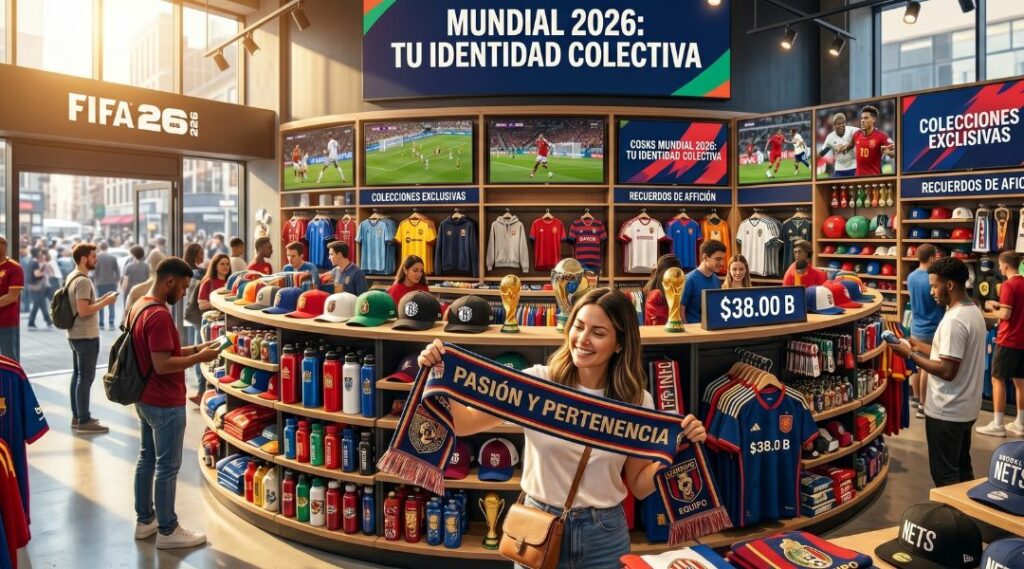
From Gift Campaign, we have gathered some key figures that help put the scale of the market into perspective:
- North America accounts for around 52% of the global market share, highlighting just how closely sport and brand consumption are intertwined in the United States.
- Apparel is the highest-grossing segment, representing around 46% of total revenue, according to Future Market Insights. In other words, clothing is quite literally at the heart of the business.
- Growth is driven by factors that go beyond fashion: increasing global fan engagement, broadcasts that reach audiences across the world, and the widespread adoption of sportswear as everyday clothing, according to a market analysis by Mordor Intelligence.
In other words, sport realised long ago that the spectacle does not end with the final whistle. It continues through what people wear, collect and give as gifts.
The Psychology Behind Sports Merchandise
The strength of this market lies not in the materials or the design of the products, but in psychology. Here are the three main reasons why sports merchandise functions as a pillar of identity:
- Belonging to a Group: Wearing a team’s colours is a modern form of tribal identity. It allows complete strangers to recognise one another, sparks conversations and helps create a sense of community. It is the clothing equivalent of saying, “We’re on the same side.”
- Emotion and Memory: The shirt from a cup final, the scarf from a promotion-winning season, the kit from the year your national team lifted a trophy – each item instantly transports you back to a specific moment. People are not simply buying a product; they are buying a memory they want to preserve.
- Personal Expression: In a world where appearance communicates meaning, wearing sports brands says something about who you are, what excites you and how you choose to spend your time. It is identity made visible.
This is why brands and clubs no longer focus solely on creating “official merchandise”. Instead, they invest in products that strengthen emotional connections and enhance the overall fan experience.
From the Stadium to the High Street: When Sport Becomes Fashion
Another sign that sports merchandise is a cultural phenomenon rather than merely a functional product for dedicated fans is its rise within urban fashion. Sports-inspired jackets, retro club and national team shirts, and caps featuring American leagues such as the NBA and MLB are now worn by people who have never even set foot inside a stadium.
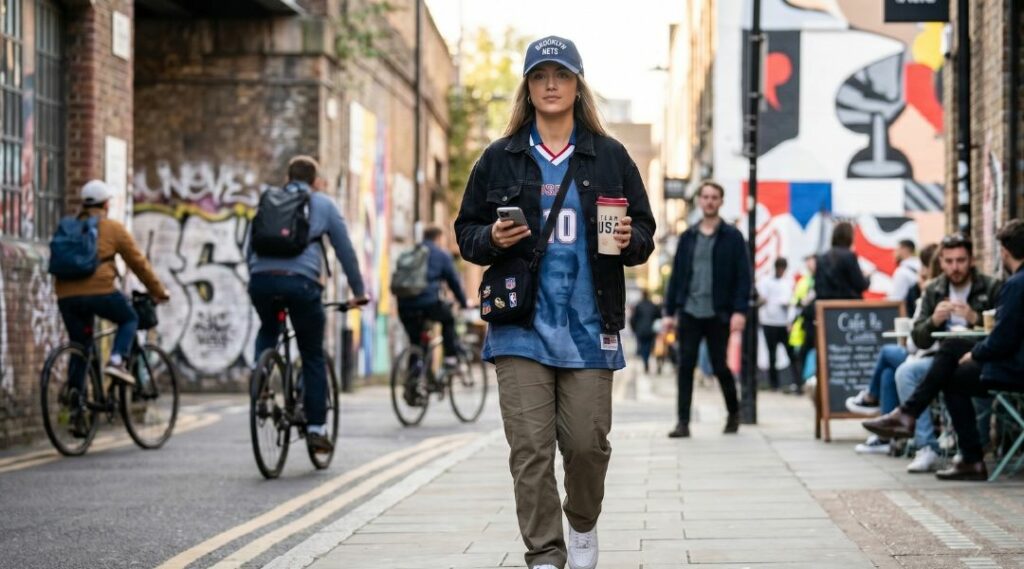
Sport has become an aesthetic language. A football shirt or a cap, for example, is no longer simply a souvenir for supporters; it has become part of everyday fashion. And when a product becomes integrated into people’s daily lives, its advertising value increases dramatically: every time someone wears it, they are promoting a brand in a completely natural way.
2026 World Cup: A Major Opportunity for Brands
If there is ever a time to talk about sports merchandise, it is now. The 2026 FIFA World Cup will take place from 11 June to 19 July and will be historic for several reasons:
- It will be the first World Cup jointly hosted by three countries: the United States, Mexico and Canada.
- It will introduce an expanded format featuring 48 national teams and 104 matches across 16 host cities.
- A large portion of the tournament will be held in North America, the world’s most powerful sports merchandise market, significantly amplifying its commercial impact.
An event of this scale acts as a catalyst. For weeks, flags, shirts and scarves will fill streets, offices and social media feeds around the world. Fan engagement surges, the sense of belonging becomes collective, and demand for products linked to teams and national identities reaches its peak. For any brand, it represents the perfect opportunity to ride this wave of emotion.
What Your Business Can Learn from – and Capitalise on – This Global Phenomenon
If a football shirt can create such a strong emotional connection, why not apply the same principle to corporate gifts?
The success of sports merchandise demonstrates that a well-designed physical product, infused with meaning, can build community and loyalty more effectively than almost any other marketing tool. The key is not the object itself, but what it represents.
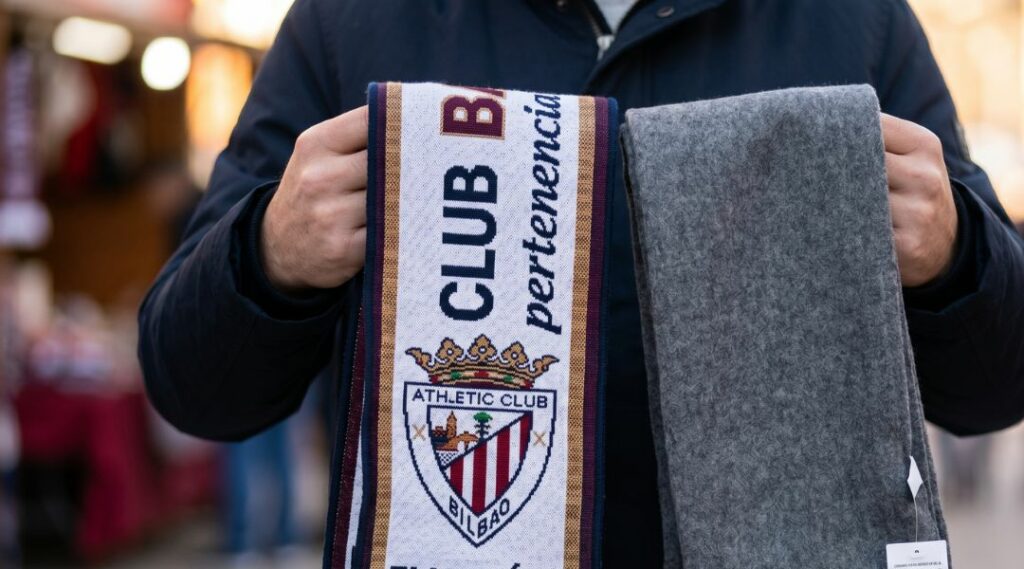
Businesses can apply this phenomenon to their own campaigns and day-to-day operations in several ways:
- Equip employees with personalised clothing that strengthens team spirit, in much the same way that a team kit unites supporters.
- Launch campaigns around major events such as the 2026 FIFA World Cup, using themed promotional items that tap into the excitement of the occasion. Discover our range of merchandise for the 2026 World Cup.
- Turn customers and employees into brand ambassadors. Every item of clothing featuring your logo that people choose to wear becomes spontaneous, natural advertising – and therefore far more credible.
Conclusion: Practical Apparel and a Global Phenomenon
The answer to the question posed in the title is simple: both. Sports merchandise is practical, certainly, but its true value lies in what it represents. It embodies identity, community and emotion transformed into a product. It proves that a shirt can be both a functional garment and a cultural symbol capable of generating billions in revenue.
For brands, the lesson is clear. A thoughtfully designed physical product remains one of the most powerful ways to connect with people. And with the FIFA World Cup just around the corner, there is no better time to put that principle into practice.
Ready for your brand to play in the top flight? Explore Gift Campaign’s full range of promotional merchandise for businesses and create your next winning campaign.